Get Grease Trap Pumping
Grease trap pumping services help property owners prevent backups and odors by removing accumulated fats, oils, and grease through specialized cleaning and maintenance projects handled by local contractors.
Property owners in the area who manage commercial kitchens, restaurants, or food service facilities understand the importance of maintaining efficient waste management systems. Grease trap pumping services help ensure that grease and solids are properly removed, preventing potential plumbing issues and ensuring regulatory compliance. Exploring local contractors for this essential task can provide peace of mind, knowing that experienced professionals are equipped to handle the job effectively and keep operations running smoothly.
Considering grease trap pumping is a practical step for property owners aiming to prevent costly repairs and avoid operational disruptions. Comparing options among local service providers allows for selecting experienced contractors who understand the specific needs of the area and industry. Continuing to explore available services can help identify the best solutions for maintaining a clean, compliant, and efficiently functioning waste management system.
- Grease Trap Pumping - needed when grease buildup causes blockages or foul odors in commercial kitchens.
- Commercial Food Service Facilities - require regular grease trap maintenance to ensure compliance and proper operation.
- Restaurant and Catering Kitchens - need scheduled pumping to prevent overflow and maintain sanitation standards.
- Industrial Food Processing Plants - benefit from professional grease trap services to handle high-volume waste management.
- Food Establishments with Heavy Oil Usage - should schedule pump-outs to avoid costly backups and environmental issues.
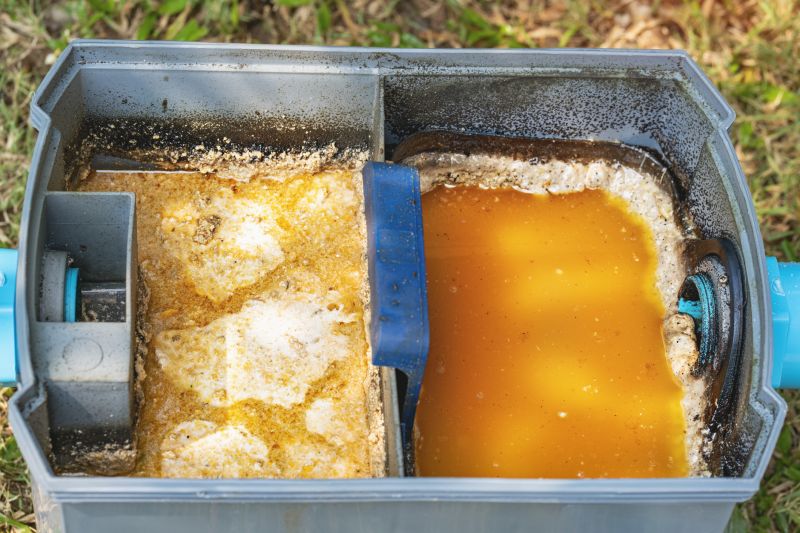
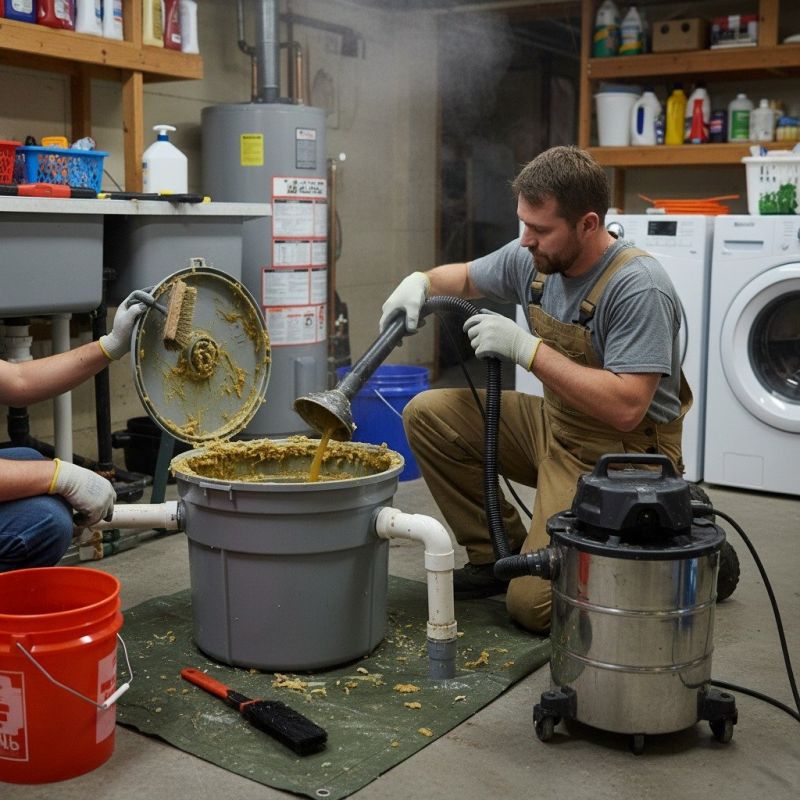
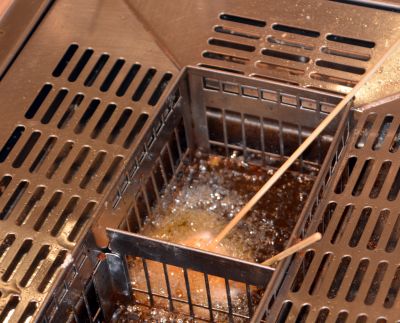
Grease trap pumping services involve the removal of accumulated fats, oils, and greases (FOG) from grease traps installed in commercial kitchens, restaurants, and food processing facilities. Over time, these substances build up inside the trap, reducing its efficiency and potentially causing blockages or foul odors. Professional service providers use specialized equipment to safely and thoroughly pump out the contents, ensuring the grease trap remains functional and compliant with local regulations. Regular pumping helps prevent costly plumbing issues and keeps the property operating smoothly.
This service addresses common problems such as foul smells, slow drains, and backups caused by grease build-up. When grease traps are neglected, the buildup can overflow into the plumbing system, leading to blockages and potential property damage. Additionally, excess grease can contaminate wastewater, resulting in environmental violations and fines. By scheduling routine pumping, property owners can reduce the risk of plumbing emergencies and maintain a clean, odor-free environment.
Grease trap pumping is typically needed for commercial properties that generate significant amounts of greasy waste. Restaurants, cafeterias, catering businesses, and food manufacturing facilities are among the most common users of this service. However, certain large residential complexes or community kitchens that handle substantial food preparation may also benefit. These properties often have larger or multiple grease traps that require regular maintenance to prevent operational disruptions and ensure compliance with health and safety standards.
Homeowners generally do not have grease traps unless they operate a commercial kitchen or a large-scale food-related business from their property. For residential properties, issues related to kitchen drain clogs or odors may indicate the need for professional cleaning or inspection of plumbing systems. When grease buildup causes persistent slow drains or foul smells, it may be time to contact local service providers who specialize in grease trap maintenance. They can assess the situation, recommend appropriate solutions, and perform the necessary pumping to keep kitchen plumbing functioning properly.
The overview below groups typical Grease Trap Pumping projects into broad ranges so you can see how smaller, mid-sized, and larger jobs often compare in your area.
In many markets, a large share of routine jobs stays in the lower and middle ranges, while only a smaller percentage of projects moves into the highest bands when the work is more complex or site conditions are harder than average.
Routine Pumping - most standard grease trap pumping services cost between $250 and $600 for smaller jobs. Many routine maintenance visits fall within this range, depending on the size of the trap and frequency of service.
Large or Complex Projects - larger, more complex grease trap pumping jobs can reach $1,000 to $2,500 or more. These projects typically involve bigger traps or additional cleaning and are less common but necessary for certain commercial setups.
Full Replacement - replacing an entire grease trap can cost between $2,500 and $5,000 or higher. This is usually reserved for outdated or severely damaged traps requiring complete removal and installation of a new system.
Emergency or After-Hours Services - emergency pumping or after-hours services may cost between $300 and $800 for smaller jobs, with some larger or urgent projects exceeding $1,000. Many service providers can accommodate urgent needs at a premium rate.
Actual totals will depend on details like access to the work area, the scope of the project, and the materials selected, so use these as general starting points rather than exact figures.
Septic Tank Pumping - professionals who perform septic tank pumping utilize similar skills and equipment to ensure proper waste removal and system maintenance.
Industrial Waste Management - this type of project involves handling and removing waste from large-scale systems, requiring planning and tools comparable to grease trap pumping.
Restaurant Drain Cleaning - cleaning and maintaining restaurant drainage systems involves techniques and equipment similar to those used in grease trap servicing.
Commercial Plumbing Services - contractors providing commercial plumbing often handle grease interceptors and related systems, requiring expertise in similar planning and tools.
Stormwater Drainage Maintenance - maintaining stormwater systems involves debris removal and system flushing comparable to grease trap cleaning processes.
Food Service Equipment Cleaning - cleaning kitchen and food service equipment involves specialized cleaning skills and equipment that align with grease trap maintenance tasks.
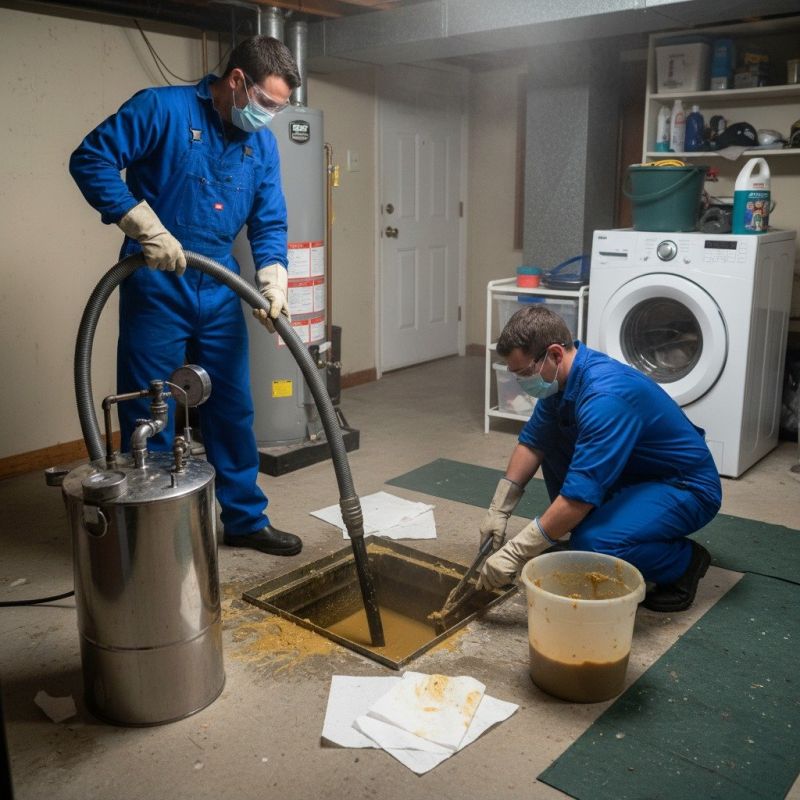
When comparing service providers for grease trap pumping, it’s important to consider their experience with similar projects. Look for local contractors who have a history of handling jobs comparable in size and complexity to your needs. An experienced professional is more likely to understand the nuances of your specific system and provide efficient, reliable service. Gathering information about their background in the industry can help ensure that the chosen provider has the knowledge necessary to perform the work effectively and minimize potential issues.
Clear, written expectations are essential when evaluating grease trap pumping services. A reputable local contractor should be able to provide detailed descriptions of the scope of work, including what is included and any potential additional charges. Having this information in writing helps prevent misunderstandings and sets a transparent foundation for the project. It’s also beneficial to request a list of reputable references or reviews from previous clients to verify the quality of their work and customer service.
Effective communication plays a key role in selecting the right service provider. Local pros who are responsive and willing to answer questions demonstrate professionalism and a commitment to customer satisfaction. It’s helpful to observe how promptly and clearly they communicate during initial contacts, as this can be indicative of how they will handle ongoing updates or concerns. Remember, the goal is to find a trusted partner who can clearly explain their process, listen to your needs, and keep you informed throughout the project.
Property owners use Grease Trap Pumping services for practical projects around their homes and businesses. This guide focuses on everyday jobs and straightforward project options.
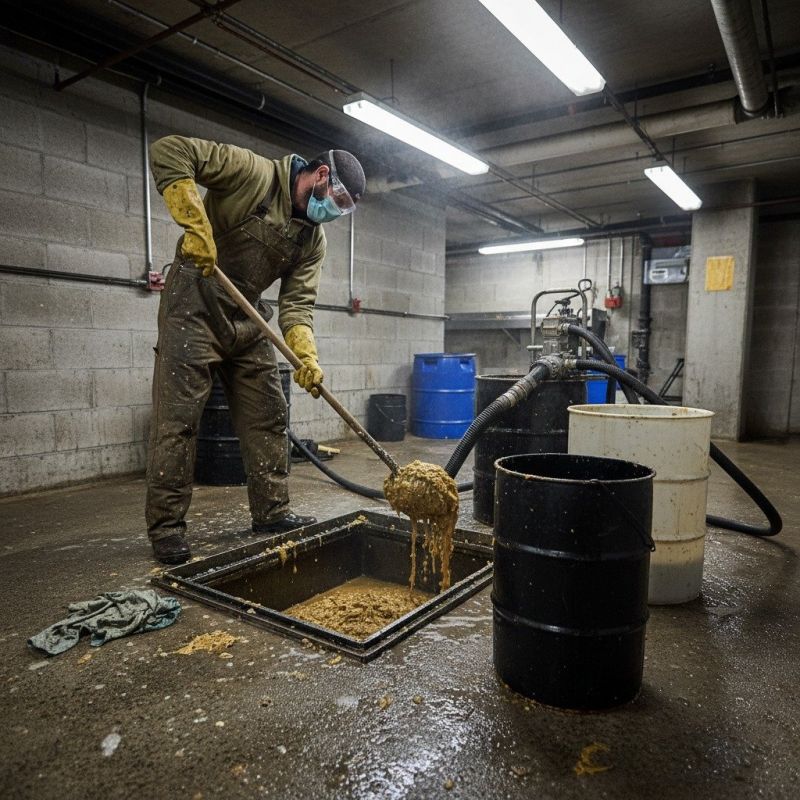
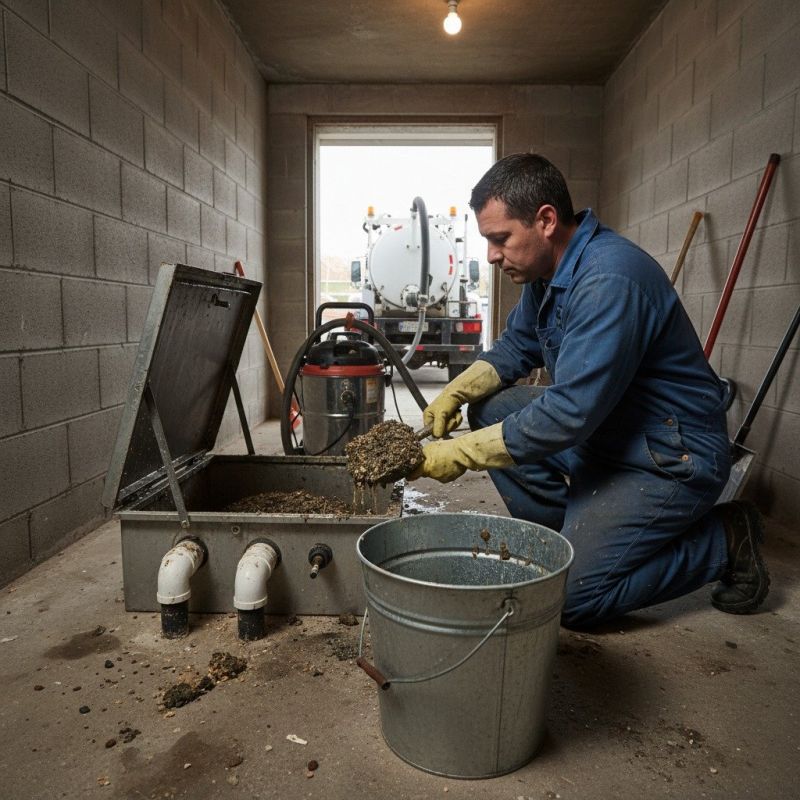
Grease trap pumping services are often needed in commercial kitchens, restaurants, and food processing facilities to prevent grease buildup that can cause blockages and foul odors. Property owners in the area may seek these services when experiencing slow drains, foul smells, or after routine maintenance to keep their plumbing systems running smoothly. Regular pumping by local contractors helps ensure that grease traps function properly, reducing the risk of costly backups and plumbing issues.
Additionally, property managers and business owners might look for grease trap pumping when preparing for health inspections or during routine facility upkeep. Proper maintenance from experienced service providers can help avoid violations related to waste management and ensure compliance with local regulations. Connecting with local contractors who specialize in grease trap pumping can make it easier to keep commercial kitchen operations running efficiently and avoid unexpected disruptions.
What is grease trap pumping? Grease trap pumping involves removing accumulated fats, oils, and solids from a grease trap to ensure proper drainage and prevent blockages.
How often should a grease trap be pumped? The recommended frequency for pumping a grease trap depends on its size and usage, and local contractors can provide guidance based on specific needs.
What are signs that a grease trap needs servicing? Signs include foul odors, slow drainage, or standing water around the trap area, indicating it may be full or clogged.
Can local service providers handle different types of grease traps? Yes, many local contractors are equipped to service various types and sizes of grease traps used in commercial and residential settings.
Why should I hire a professional for grease trap pumping? Professionals have the proper equipment and expertise to safely and effectively pump and clean grease traps, helping to maintain proper plumbing function.
Preventative Maintenance for Commercial Kitchens - Regular grease trap pumping helps maintain proper kitchen operations and prevents costly backups during busy hours.
Ensuring Plumbing Compliance for Restaurants - Property owners can work with local contractors to keep grease traps up to code and avoid potential fines or violations.
Preparing for Inspections and Health Checks - Scheduling routine grease trap services can help property owners stay ready for health department inspections.
Managing Waste and Odor Control - Proper grease trap maintenance reduces unpleasant odors and manages waste more effectively in food service facilities.
If you are thinking about Grease Trap Pumping for a property, this guide is meant to help you understand the work, the typical project types, and how different options might fit your plans.
When you are ready, you can use the quote form on this page to share a few details about your project. From there, local pros can review the basics and respond with options that match what you have in mind.